When considering ductwork options for your project, it’s crucial to weigh the benefits and drawbacks of sheet metal versus flexible ducting, a question we field often from homeowners and builders in West Middlesex, PA. Sheet metal offers durability and efficiency, while flexible ducting provides ease of installation and lower initial costs. However, each type has its own challenges, from airflow issues to maintenance concerns. Understanding these nuances can significantly impact your decision. So, what factors should you prioritize for optimal performance and longevity?
Sheet Metal vs. Flexible Ducting: Which Is Right for You?
When considering ductwork options, how do you choose between sheet metal and flexible ducting? Your decision hinges on several factors, including duct design, insulation options, and system layout. Sheet metal offers superior durability and airflow efficiency, making it ideal for long runs and commercial applications. However, it’s less adaptable in tight spaces. On the other hand, flexible ducting is lightweight and easy to install, allowing for quick adjustments in complex layouts. It often requires additional insulation to prevent heat loss or condensation. Evaluate your specific needs, including the building’s architecture and intended use, to determine which option best serves your goals. Ultimately, both materials have their advantages; selecting the right one ensures optimal HVAC performance and energy efficiency.
What Is Sheet Metal Ductwork and How Does It Work?
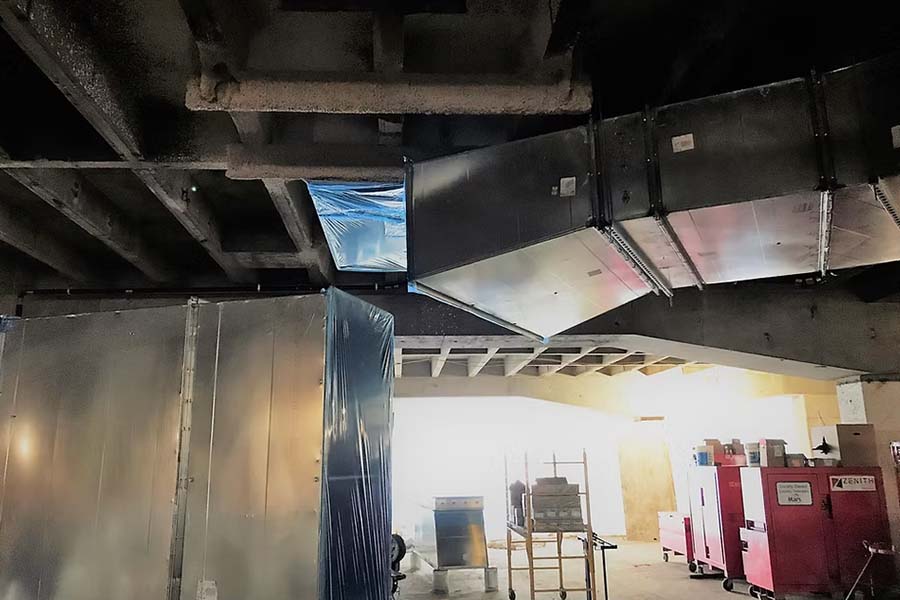
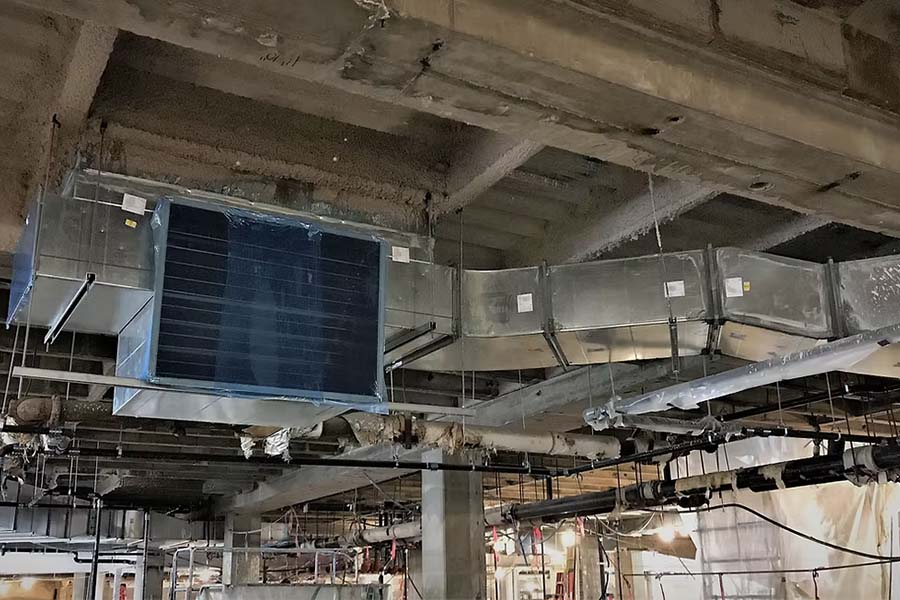
Sheet metal ductwork is a crucial component of HVAC systems, designed to transport air efficiently throughout a building. Its rigid structure allows for precise duct design, optimizing airflow dynamics to ensure effective heating and cooling. By using straight, smooth surfaces, sheet metal minimizes friction, which can hinder airflow. You’ll often find insulation methods applied to reduce thermal loss and noise, enhancing overall system performance. The installation demands careful planning to account for air volume and distribution, ensuring each area receives adequate airflow. Additionally, routine maintenance is essential to keep the ducts clean and free of obstructions, thus supporting the longevity and efficiency of your HVAC system. Understanding these aspects helps you better serve clients with their heating and cooling needs.
What Is Flexible Ducting and How Does It Work?
Flexible ducting serves as an alternative to rigid sheet-metal ductwork, offering adaptability across various spaces. It’s primarily constructed from materials such as PVC, neoprene, or fiberglass, which provide lightweight, bendable options. The key benefits of flexible ducting include ease of installation and versatility, making it suitable for tight or awkward spaces. When you use installation techniques like attaching the duct to vents with clamps or tape, you ensure a secure fit that minimizes air leaks. This efficient airflow improves heating and cooling performance in your system. Overall, flexible ducting is a practical choice for many HVAC applications, particularly for complex layouts or renovations.
Durability Comparison: Sheet Metal Ductwork vs. Flexible Ducting
While both ductwork options serve essential functions in HVAC systems, their durability significantly differs. Sheet metal ductwork excels in durability factors, often lasting decades without significant wear. It withstands high temperatures and resists impacts, contributing to long-term performance. Conversely, flexible ducting, while easier to install, is susceptible to punctures and kinks, which can compromise airflow and efficiency. Its materials can degrade more quickly, particularly under harsh environmental conditions, reducing its overall lifespan. When considering the environmental impact, sheet metal can be recycled, reducing waste. In contrast, flexible ducting is less eco-friendly and often ends up in landfills. For a reliable, long-lasting solution, sheet metal ductwork generally offers superior performance and durability in HVAC applications.
Installation Ease: Sheet Metal vs. Flexible Ducting
When it comes to installing ductwork, the ease of the process can significantly influence your choice between sheet metal and flexible ducting. Flexible ducting often requires simpler installation techniques, allowing you to navigate tight spaces more easily. This can reduce labor costs, making it a popular choice for residential projects. On the other hand, sheet metal demands precise measurements and specialized tools, which might complicate accessibility considerations during installation. While it may offer durability, the additional labor involved can increase overall project time and expenses. Ultimately, your choice should reflect the specific needs of the installation site, balancing efficiency with the long-term benefits of each duct type.
Cost Comparison: Sheet Metal Ductwork vs. Flexible Ducting
The installation process affects not only labor costs but also the overall ductwork budget. When considering sheet metal ductwork, you typically face a higher initial investment due to the materials and fabrication costs. However, this option often leads to long-term savings through durability and lower maintenance costs. Conversely, flexible ducting requires a lower initial investment, making it attractive for tight budgets. Yet, it may incur higher maintenance costs over time due to wear and tear. Ultimately, while flexible ducts can save you money upfront, sheet metal ducts can prove more economical in the long run, especially if you factor in their longevity and lower upkeep requirements. Evaluate these financial aspects carefully to align with your project goals.
Airflow Efficiency: Which Duct Works Best?
How can you determine which duct type maximizes airflow efficiency? To start, consider duct design principles that dictate how air moves through the system. Sheet metal ductwork offers smooth surfaces, reducing friction and optimizing airflow. In contrast, flexible ducting can create bends and kinks that impede airflow, potentially leading to inefficiencies. When evaluating energy-efficiency impacts, remember that improved airflow directly correlates with reduced energy consumption, thereby enhancing system performance. Assessing your specific needs—like the layout and size of your space—can further inform your decision. Ultimately, selecting the right duct type hinges on balancing these factors to ensure optimal airflow efficiency, benefiting both your system’s performance and energy usage.
Noise Levels: Which Ducting Type Is Quieter?
Which ducting type minimizes noise levels in your HVAC system? Generally, sheet metal ductwork tends to be quieter due to its rigid structure, which provides better sound insulation options. Its design minimizes vibrations and reduces sound transmission compared to a flex duct, which can amplify noise due to its material and flexible joints.
To enhance noise reduction, consider incorporating acoustic lining into sheet metal ducts. Additionally, pay attention to duct design impacts; sharp bends and poorly designed layouts can increase noise levels in both types. While a flex duct offers ease of installation, it may not deliver the same level of tranquility. Ultimately, your choice should align with both acoustic comfort and system performance.
How to Maintain Flex Duct vs. Sheet Metal Ductwork
Maintaining ductwork is crucial for optimal HVAC performance, and understanding the differences between flex duct and sheet metal ductwork can help you choose the right maintenance approach. For flex duct maintenance, regularly inspect for kinks or obstructions that can impede airflow. Ensure connections are secure to prevent leaks, and consider periodic cleaning to reduce dust buildup. In contrast, sheet metal upkeep involves checking for rust or corrosion, particularly in humid environments. Use duct cleaning tips like vacuuming the interior and sealing any gaps with appropriate materials. By prioritizing maintenance tailored to each type, you enhance system efficiency and longevity, ensuring a comfortable indoor environment for those you serve.
Best Use Cases for Ductwork: When to Choose Each Type
Understanding the maintenance needs of flex duct and sheet metal ductwork sets the stage for choosing the right type for your specific application. For tight installation scenarios, like retrofitting older buildings, flex duct excels due to its adaptability and ease of installation. Conversely, sheet metal ductwork is ideal for new construction where durability and system compatibility are prioritized, especially in larger spaces that require efficient airflow. Consider environmental factors as well; if you’re in a humid area, sheet metal’s resistance to mold is advantageous. Ultimately, assess your project’s requirements, including space constraints and long-term maintenance, to determine which duct type best suits your needs while ensuring optimal performance and service longevity.
Conclusion
In summary, choosing between sheet metal ductwork and flexible ducting hinges on your specific needs. If durability, airflow efficiency, and long-term savings are priorities, sheet metal is your best bet. However, if you’re looking for a budget-friendly, easy-to-install option, flexible ducting may serve you well in the short term. Assess your project goals, installation requirements, and maintenance capabilities to make an informed decision that aligns with your objectives. If you’re in the West Middlesex, PA area and want expert input on the right ductwork for your space, the team at D&G Mechanical can help you decide.